
ABOUT VIETNAM & HANOI
About Vietnam
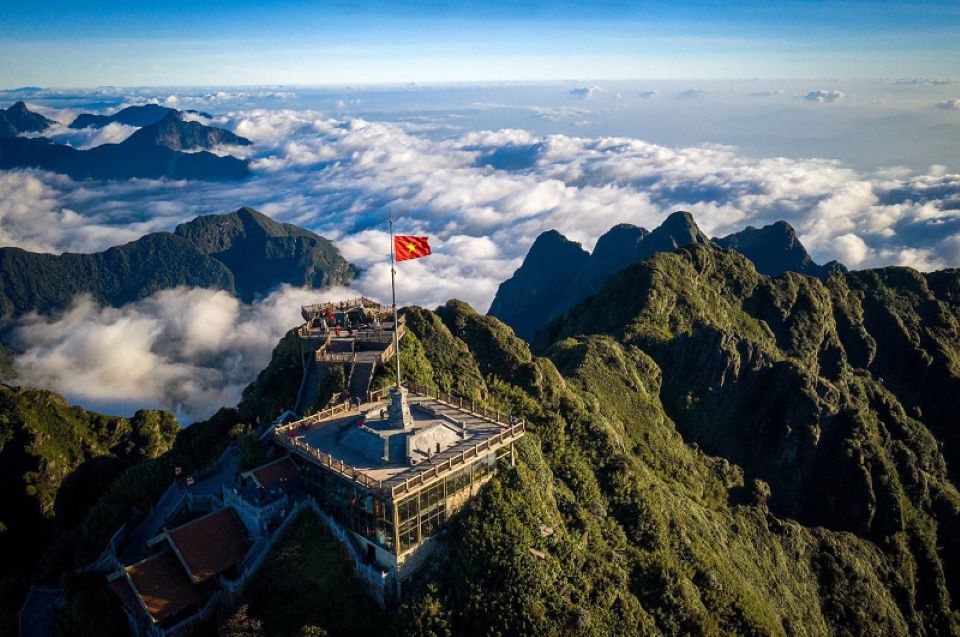
Vietnam is a welcoming and diverse destination in Southeast Asia, known for its rich culture, long history, and stunning natural landscapes. Stretching 1,650 km from north to south, the country borders China, Laos, and Cambodia, with a long coastline along the East Sea. Travelers benefit from favourable visa policies, including visa exemptions, 45-day visa-free access for many nations, and a 90-day e-visa available to all nationalities. With expanding direct international flights, Vietnam is easy to reach and explore. Visitors can enjoy pristine beaches, UNESCO heritage sites, vibrant festivals, breathtaking scenery, and world-renowned cuisine. Vietnam invites every traveler to experience its beauty, warmth, and unforgettable adventures.
About Hanoi
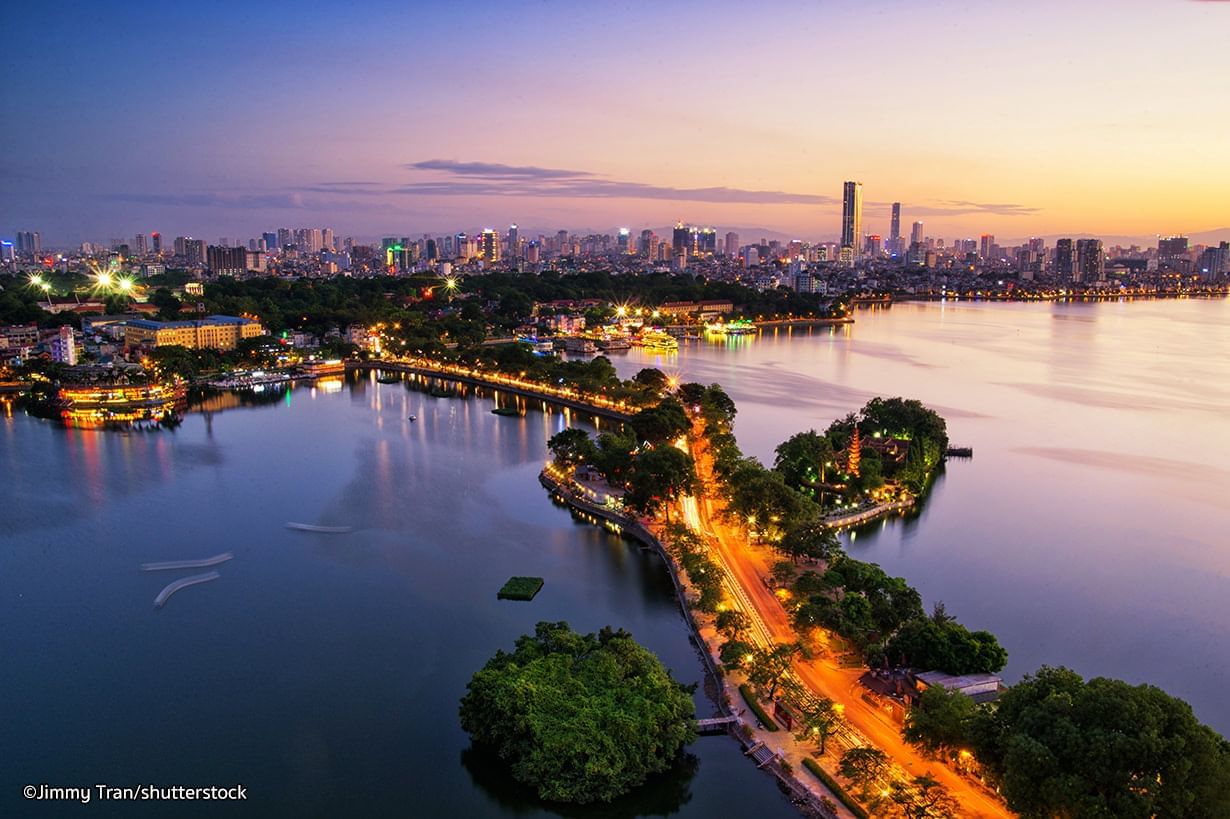
Hanoi, the capital of Vietnam, is located in the northern part of the country. It serves as the political, cultural, and historical heart of Vietnam, with a population of over 8 million people. The city is known for its centuries-old architecture, rich cultural heritage, and a unique blend of traditional charm and modern development.
- Population: Approximately 8.3 million people
- Religion / Ethnic & Religious Composition: Hanoi is predominantly inhabited by the Kinh (Viet) ethnic group, with small communities of other ethnic minorities. The main religions include Buddhism, folk religions, Christianity (Catholicism and Protestantism), while a large proportion of the population identifies as non-religious.
- Languages: Vietnamese (official/local language). English — plus other foreign languages — are commonly used in main tourist areas.
- Local Time: Hanoi City is seven (7) hours ahead of Greenwich Mean Time (GMT+7).
- Surface Area: Approximately 3,359 km².
Tourist Attractions
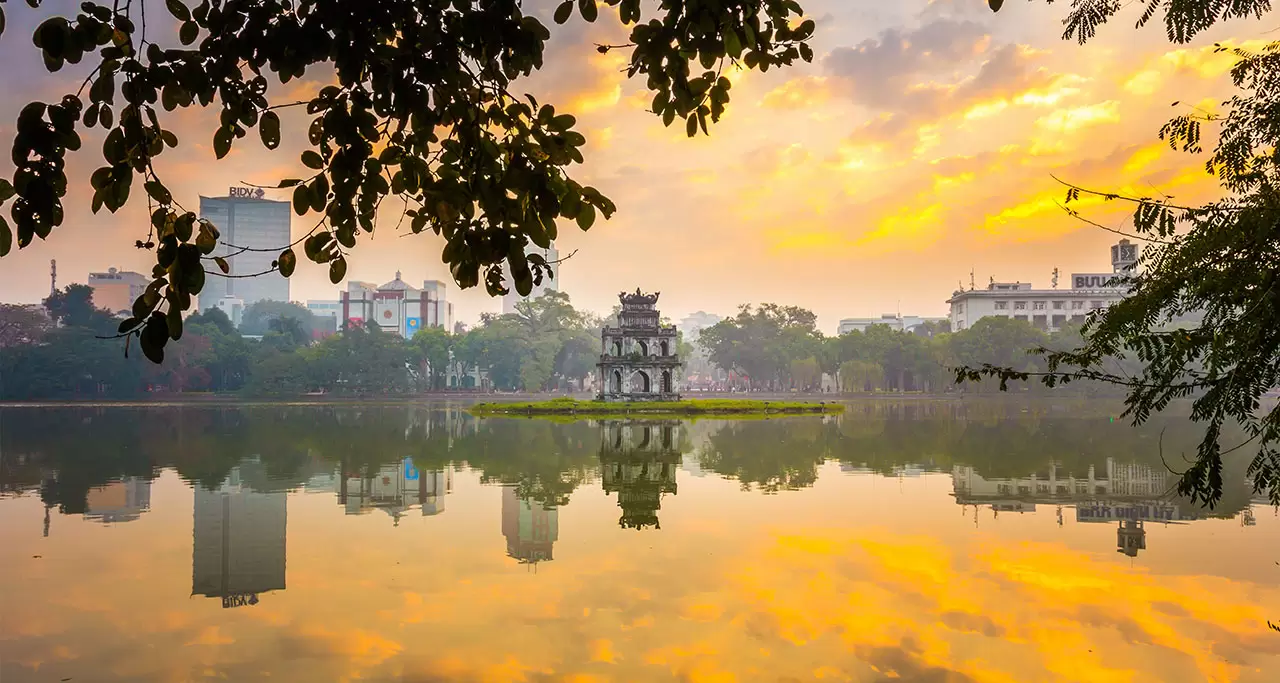
Hoan Kiem Lake & The Huc Bridge
The symbolic heart of Ha Noi, where the iconic red Huc Bridge gracefully leads to the historic Ngoc Son Temple, creating one of the city's most picturesque landmarks.
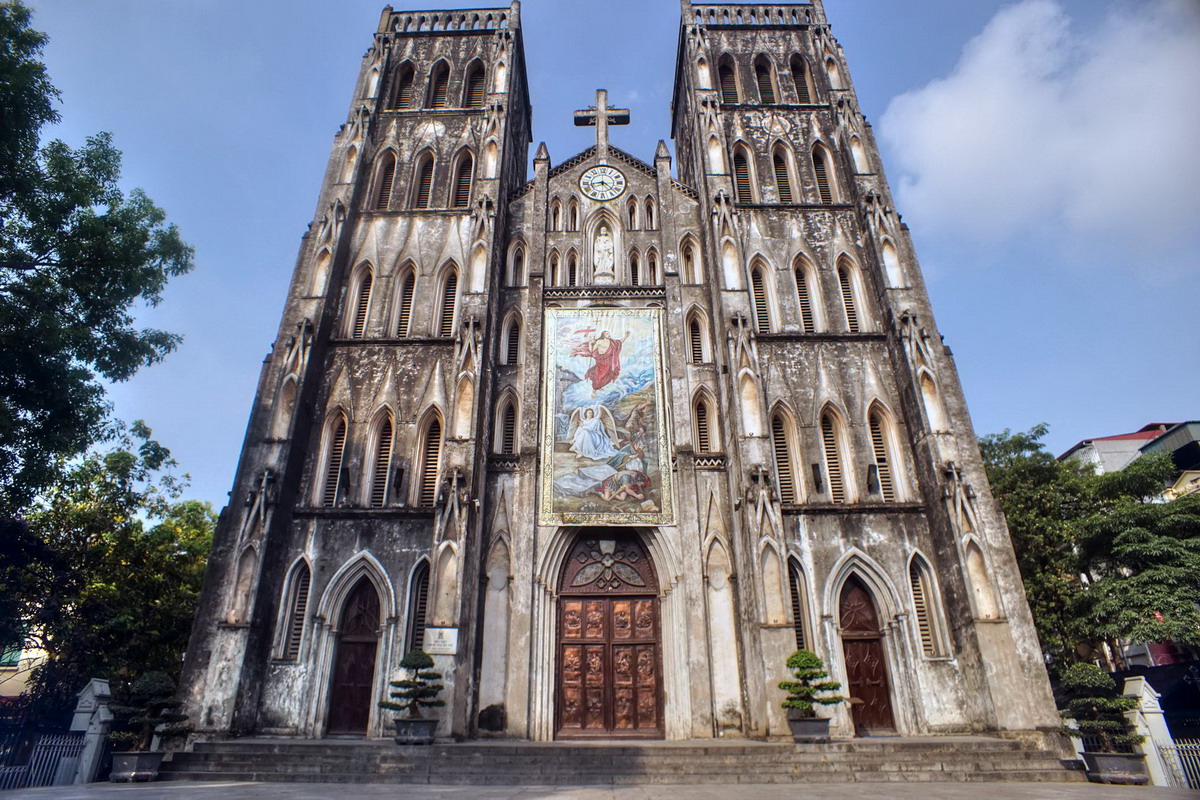
St. Joseph's Cathedral
A majestic neo-Gothic landmark in the heart of Ha Noi, admired for its grand architecture, historic charm, and lively surrounding atmosphere.
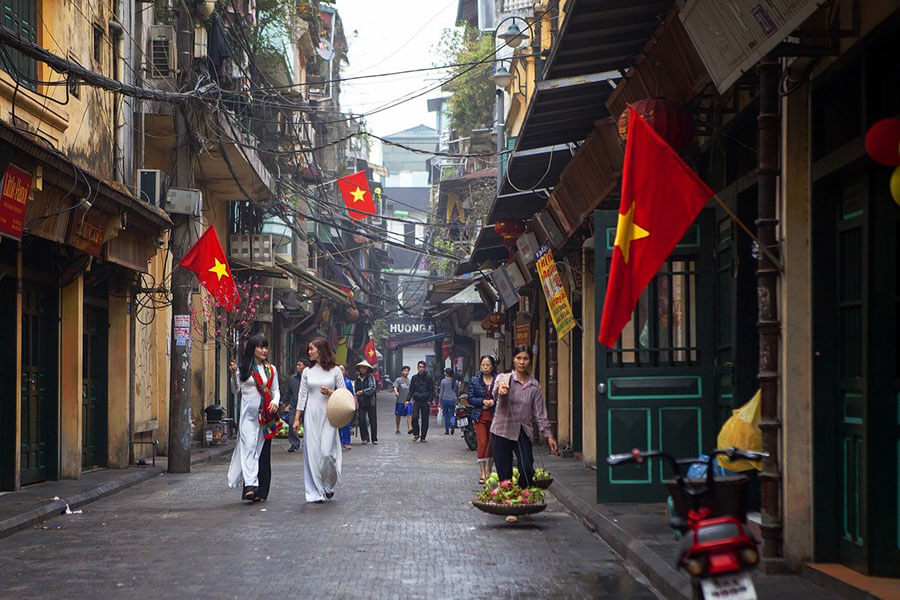
The Old Quarter
A timeless maze of more than 36 historic streets, each rooted in traditional crafts and trades, capturing the vibrant rhythm of local life and Hanoi's legendary street food culture.
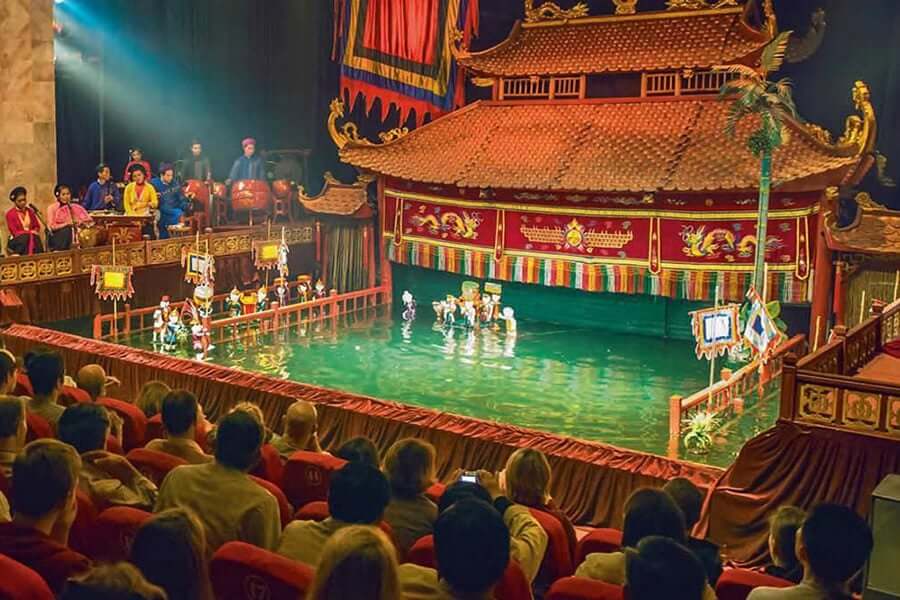
Thang Long Water Puppet Theatre
The premier venue to experience Vietnam's unique and captivating tradition of water puppetry.
Hoa Lo Prison Museum
Historically known as the "Hanoi Hilton," offering a sobering look into Vietnam's colonial and war-time history.
Ho Chi Minh Mausoleum
The final resting place of President Ho Chi Minh, a site of profound historical and political significance in Viet Nam.
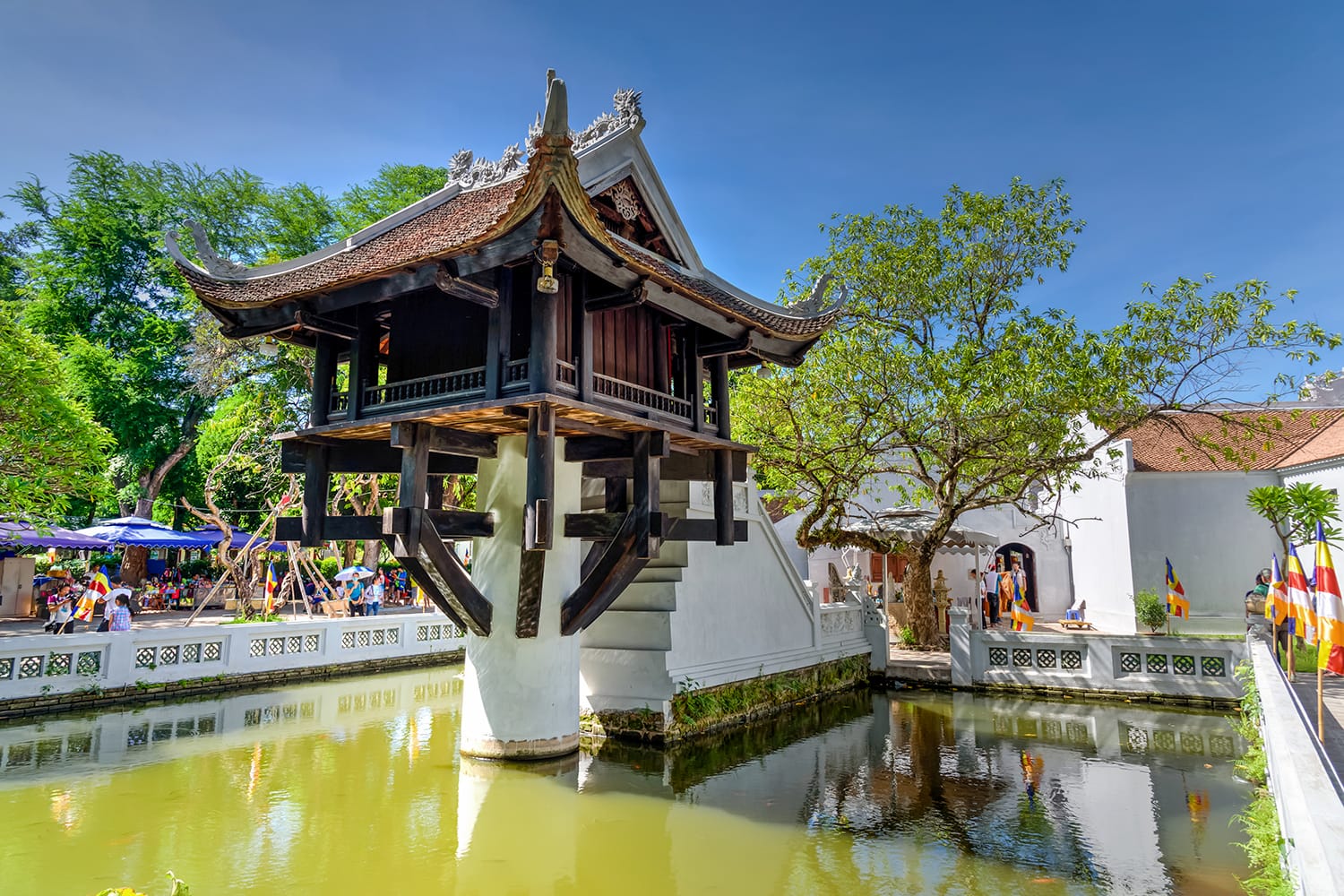
One Pillar Pagoda
An iconic Buddhist monument built on a single stone pillar, symbolizing purity and harmony, and one of Ha Noi's most distinctive cultural landmarks.
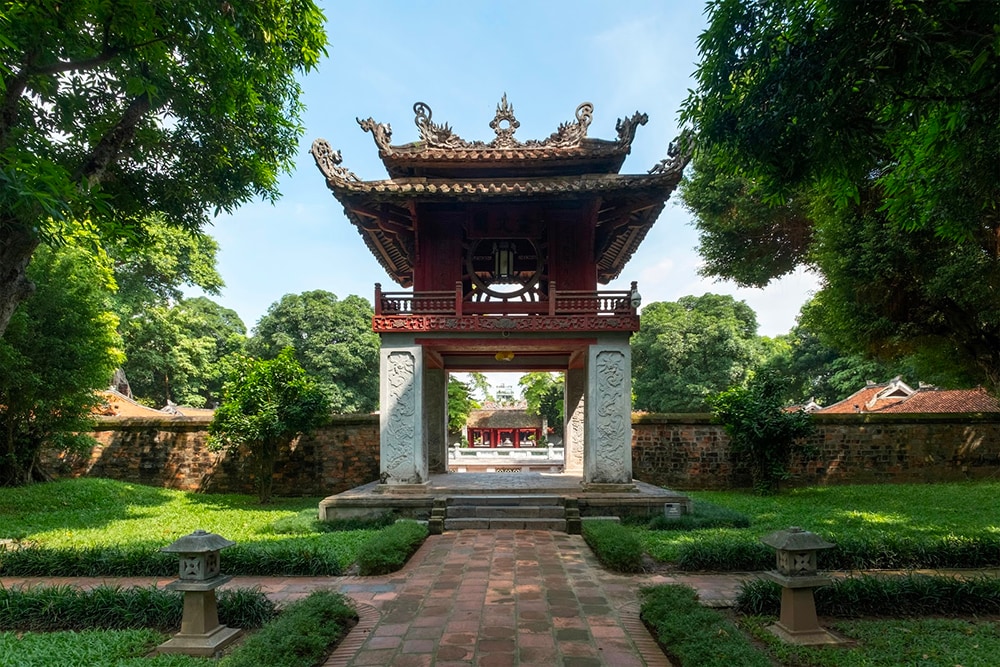
Temple of Literature
Viet Nam's first national university, dedicated to Confucius, and celebrated as a timeless masterpiece of traditional Vietnamese architecture and scholarship.
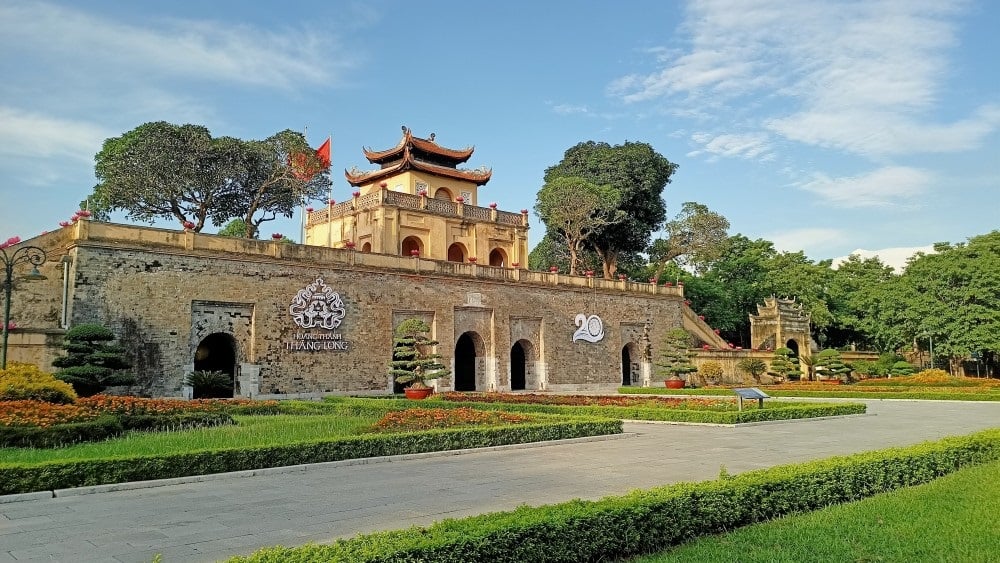
Imperial Citadel of Thang Long
A UNESCO World Heritage Site featuring remarkable archaeological remains that reflect the rich history of ancient Hanoi.
West Lake
The largest lake in Hanoi, encircled by historic pagodas, luxury hotels, and charming cafes, and a popular destination for cycling, leisure, and relaxation.
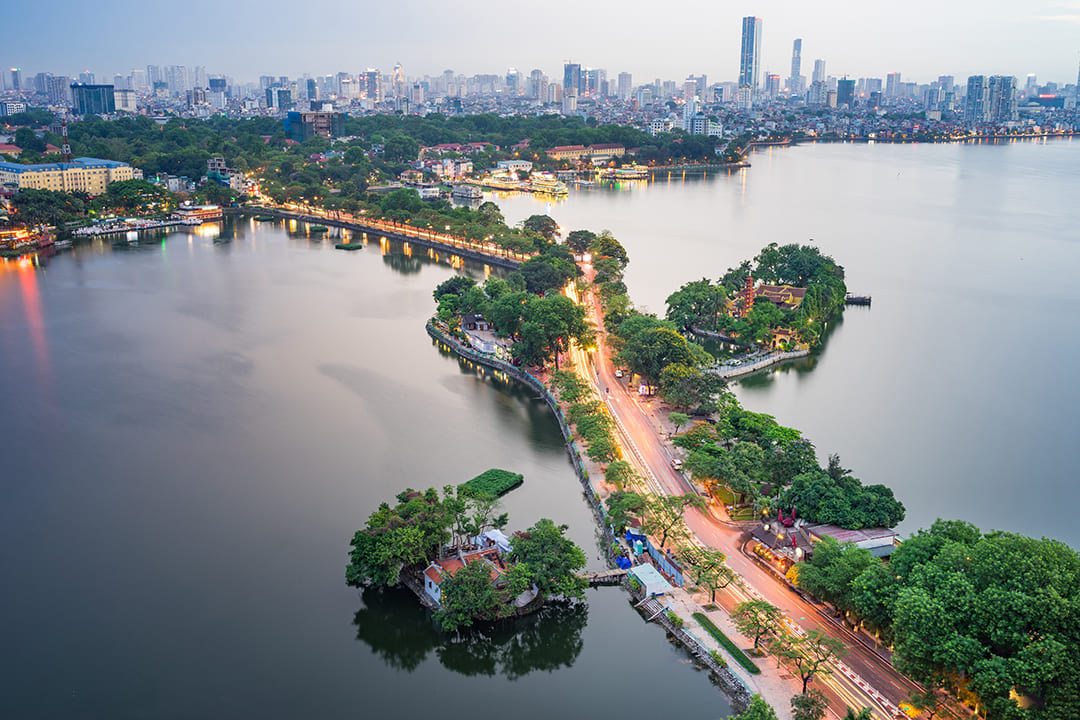
Tran Quoc Pagoda
The oldest Buddhist pagoda in Hanoi, beautifully situated on a small peninsula of West Lake, renowned for its elegant architecture, ancient Bodhi tree, and serene atmosphere, making it a must-visit spiritual and cultural landmark.
Vietnam Museum of Ethnology
A leading cultural institution showcasing the diverse ethnic groups of Vietnam through rich exhibits and traditional architecture.
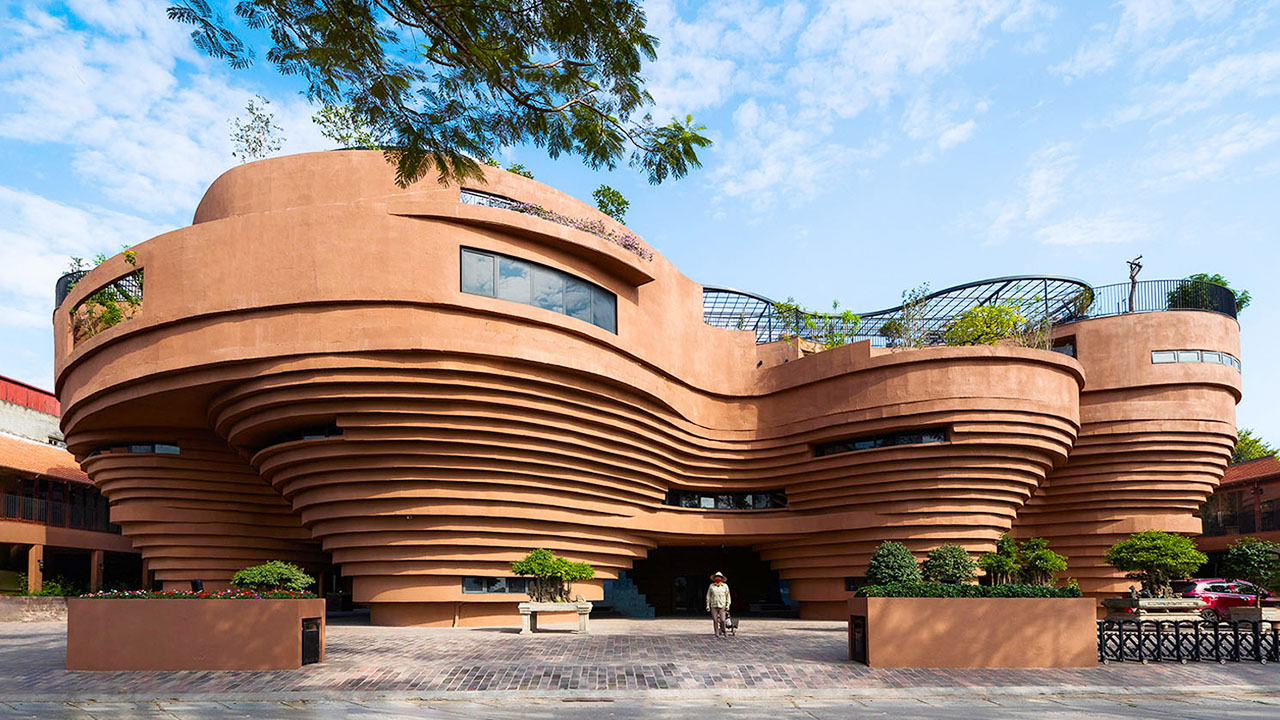
Bat Trang Pottery Village
A centuries-old traditional craft village renowned for its exquisite ceramics, showcasing the rich heritage of Vietnamese pottery.
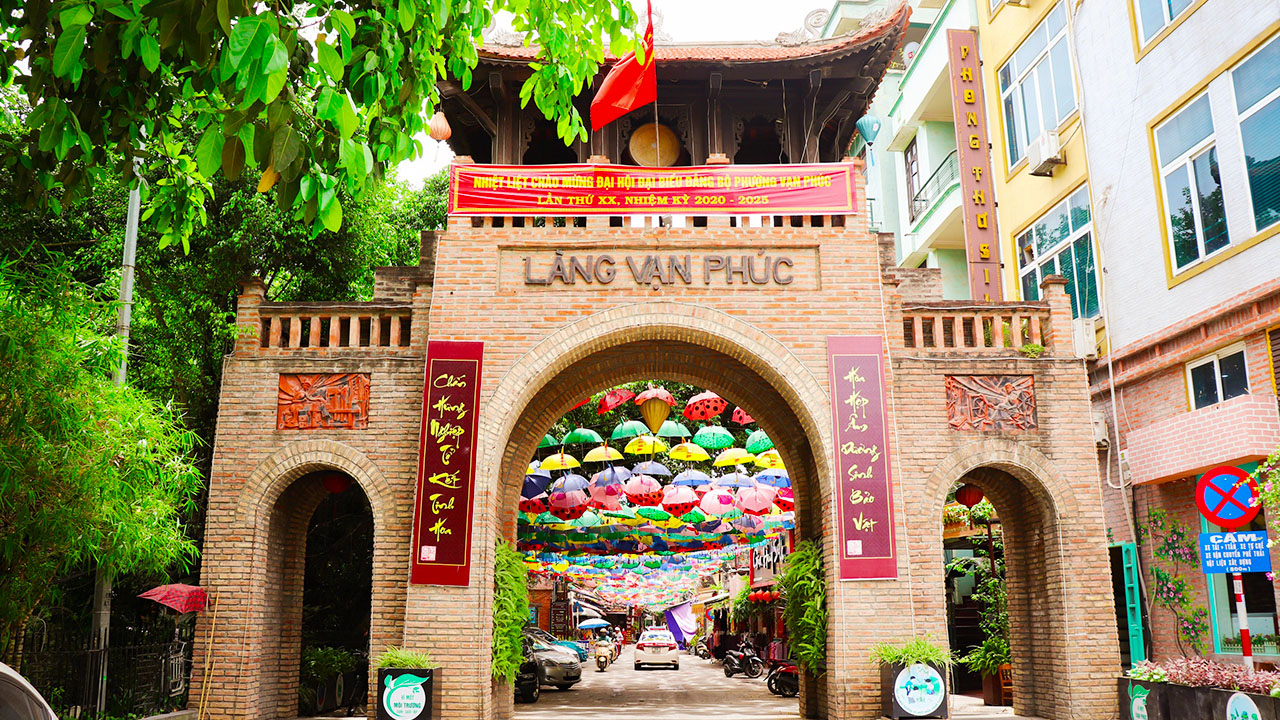
Van Phuc Silk Village (Ha Dong Silk Village)
Van Phuc Silk Village is one of the oldest and most famous traditional silk villages in Vietnam, with a history spanning over 1,000 years. It has long been regarded as the birthplace of Vietnamese silk weaving, producing high-quality silk that was once reserved for royal use and exported internationally.
Bus City Tour
Hanoi City Tour is a flexible and convenient ways for tourists to get around and visit top attractions in Hanoi with a choice of Open Big Bus. Tour 01 of Hanoi City Tour has a route through 25 streets with 13 stops, allowing visitors to enjoy 30 unique passing top sights of Hanoi, and to explore and experience the city in their own ways.
For more details, please visit https://hanoicitytour.com.vn/About/Index

Food & Culinary
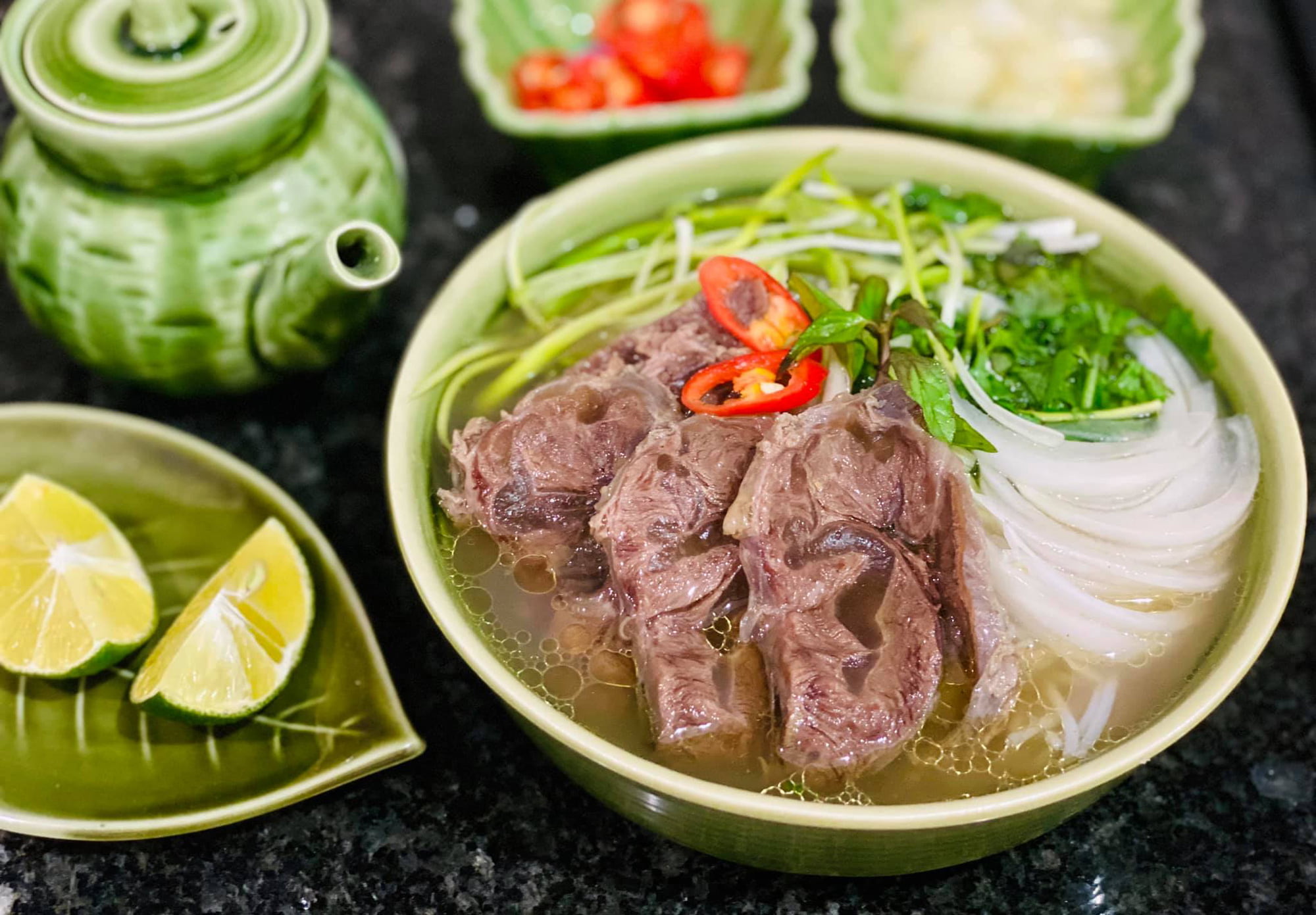
Pho – Hanoi-style Beef or Chicken Noodle Soup
Pho is Vietnam's most iconic dish, originating in northern Vietnam. Hanoi-style pho is known for its clear, lightly seasoned broth, flat rice noodles, and simple toppings of beef (pho bo) or chicken (pho ga), emphasizing natural flavors rather than sweetness.

Bun Cha – Grilled Pork with Vermicelli and Herbs
A signature dish of Hanoi, bun cha consists of charcoal-grilled pork patties and sliced pork belly served with rice vermicelli, fresh herbs, and a tangy fish sauce dipping broth. It is traditionally enjoyed at lunchtime and reflects authentic Hanoi street food culture.
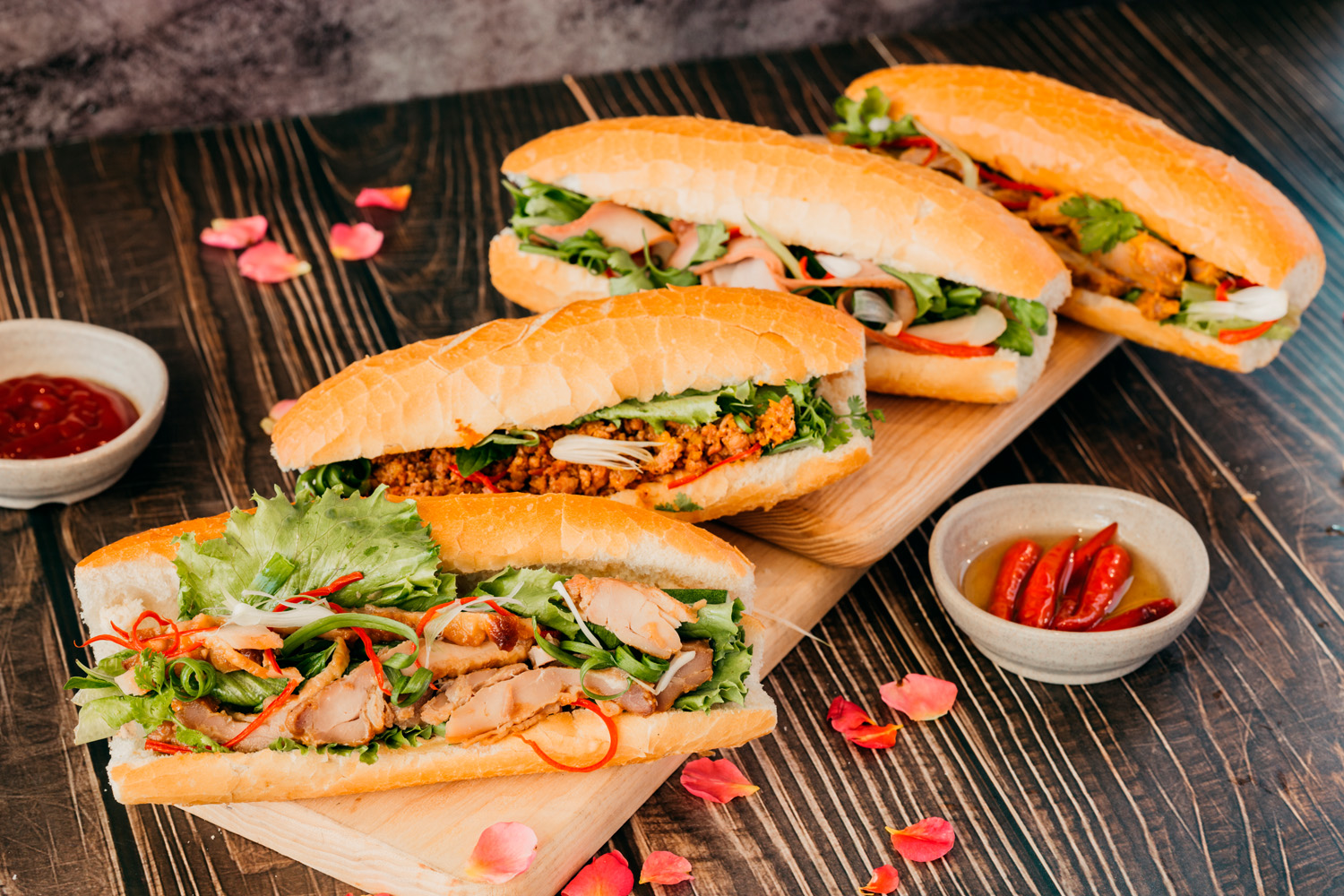
Banh Mi – Vietnamese Baguette Sandwich
Banh mi combines French-influenced baguettes with Vietnamese fillings such as grilled meats, pâté, pickled vegetables, fresh herbs, and chili. Crispy on the outside and soft inside, it is a popular and convenient street food across Hanoi.
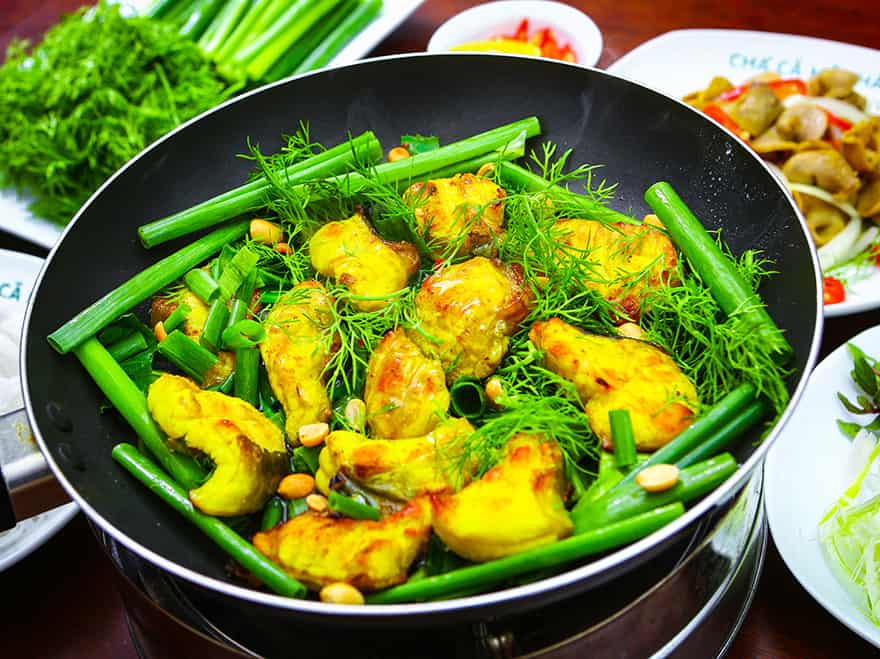
Cha Ca La Vong – Turmeric Grilled Fish (Hanoi Specialty)
This famous Hanoi dish features grilled white fish marinated with turmeric and dill, served sizzling at the table with rice noodles, peanuts, and herbs. Originating from the Old Quarter, cha ca is considered a culinary heritage dish unique to Hanoi.
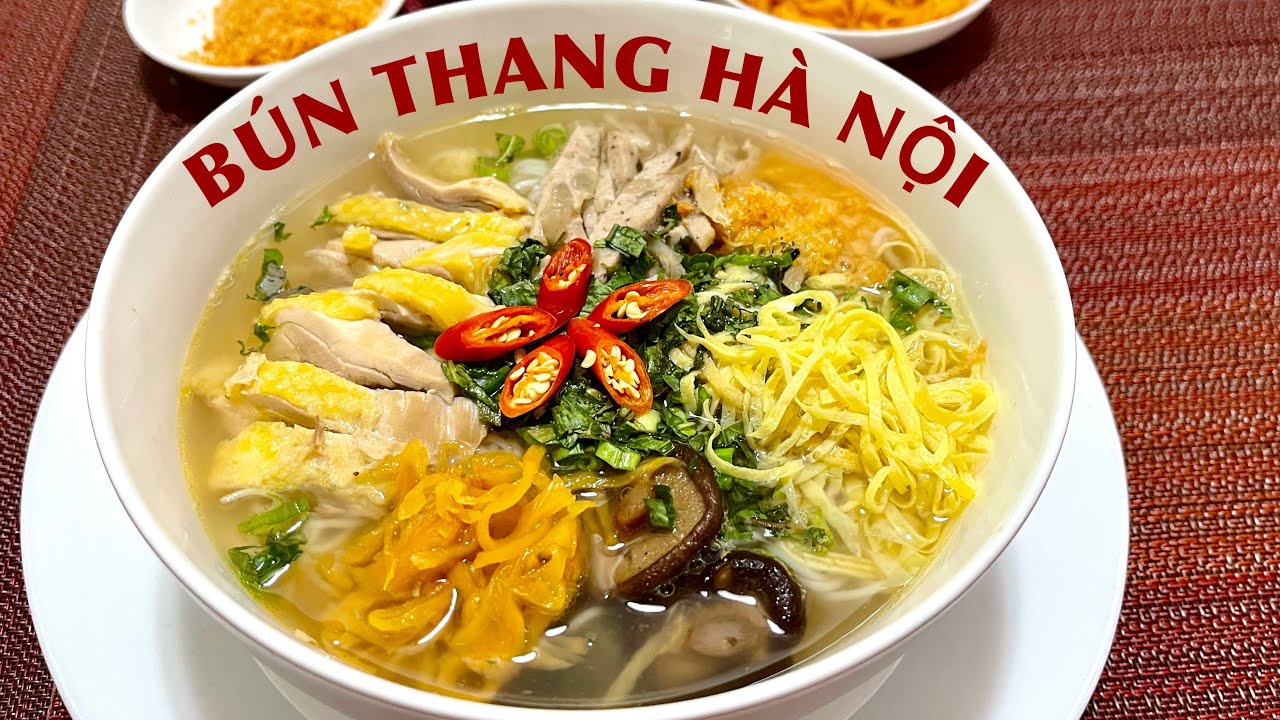
Bun Thang – Delicate Noodle Soup with Chicken and Egg
Bun thang is a refined traditional dish known for its clear, elegant broth and finely shredded toppings of chicken, egg, and herbs. Often associated with Hanoi's culinary sophistication, it was historically served during special occasions.
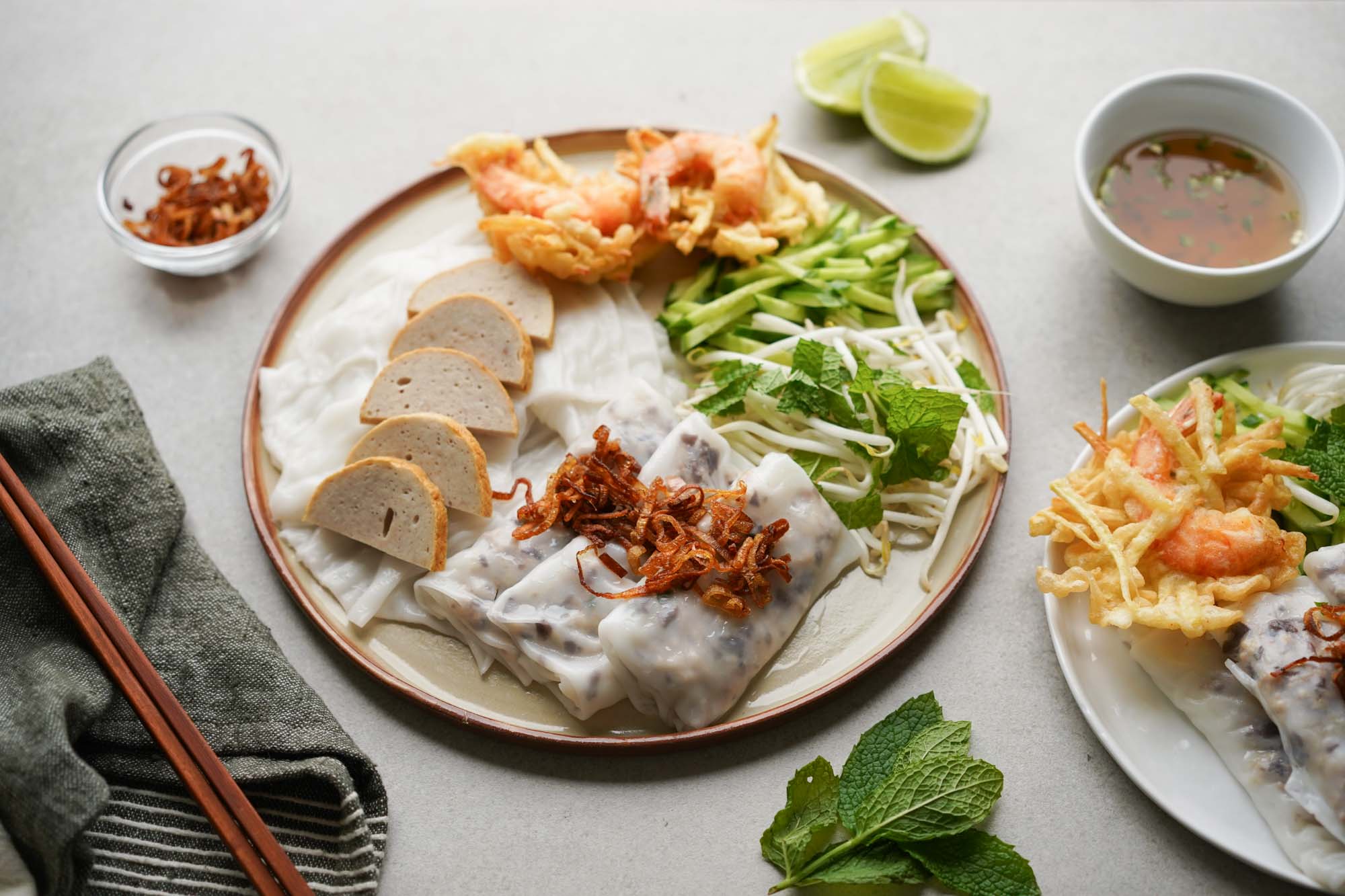
Banh Cuon – Steamed Rice Rolls
Banh Cuon is a traditional Hanoi dish made from thin sheets of steamed rice batter, delicately rolled and filled with minced pork and wood ear mushrooms. The rice sheets are soft, silky, and almost translucent, showcasing the skill required in their preparation.

Egg Coffee (Ca Phe Trung) – Hanoi Coffee Specialty
Egg coffee is a unique Hanoi invention made from strong Vietnamese coffee topped with a creamy foam of egg yolk and sugar. Rich and smooth, it offers a dessert-like experience and is a must-try specialty in Hanoi's cafés.